
care.drchaitanya@gmail.com

- Call Now
- +91 9372146545
Services
Thyroid Disorder
Thyroid Disorder
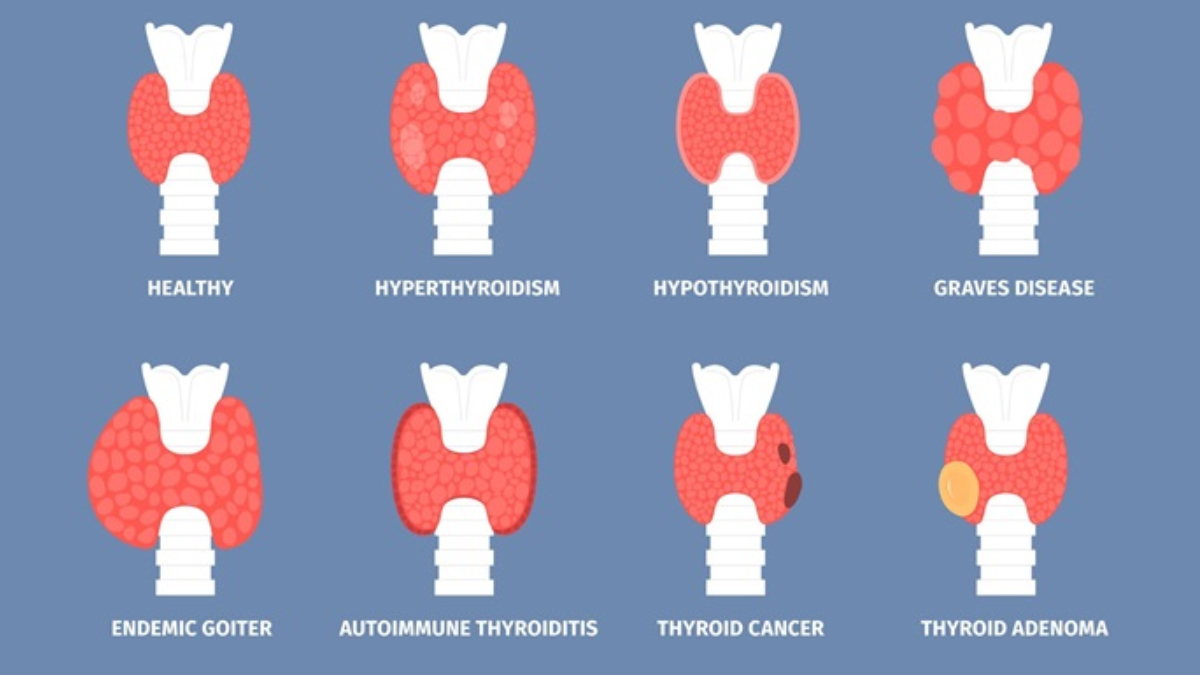
The thyroid gland, located in the front of the neck, plays a crucial role in regulating the body’s metabolism, energy levels, and hormonal balance. Thyroid disorders occur when the gland produces either too much hormone (hyperthyroidism) or too little (hypothyroidism). These conditions may develop gradually and often go unnoticed until symptoms significantly impact daily life.
Hypothyroidism is caused by underactivity of the thyroid gland. It slows down metabolism, leading to fatigue, weight gain, constipation, cold intolerance, dry skin, hair thinning, puffy face, hoarseness, and depression. Patients may also experience swelling in the neck (goiter), slow heart rate, brittle nails, and menstrual irregularities. In children, hypothyroidism can cause delayed growth and developmental issues, while in adults it may result in memory problems, slowed thinking, and muscle weakness.
Hyperthyroidism, on the other hand, is due to overactivity of the thyroid gland, leading to excessive hormone production. This speeds up metabolism, causing weight loss despite increased appetite, nervousness, irritability, heat intolerance, sweating, palpitations, tremors, frequent bowel movements, and sleep disturbances. Women may have lighter or irregular periods. Some patients develop bulging eyes (exophthalmos) and swelling at the base of the neck due to an enlarged thyroid.
Other thyroid-related disorders include thyroid nodules, thyroiditis, and thyroid cancer. A visible lump in the neck, difficulty swallowing, persistent hoarseness, or swelling should be evaluated promptly.
Signs and Symptoms of Thyroid Disorders:
- Fatigue or excessive energy
- Weight changes (gain or loss)
- Sensitivity to cold or heat
- Mood changes, depression, or anxiety
- Swelling in the neck (goiter)
- Changes in heart rate (slow or rapid)
- Hair loss, brittle nails, or dry skin
- Menstrual irregularities
- Difficulty sleeping or excessive drowsiness
Early diagnosis through blood tests (TSH, T3, T4) and timely treatment can effectively manage thyroid disorders and prevent complications.
Services
- Diabetes Management
- Diabetes Counselling
- Diabetes Complications Treatment
- Diabetic Diet & Nutrition Management
- Gestational Diabetes
- Continuous Glucose Monitoring
- Infectious Diseases
- Obesity Management
- Thyroid Disorder
- Metabolic Disorders
- Hypertension
- Heart Diseases
- Neurological Disorders
- Respiratory Diseases
- Gastrointestinal Diseases