
care.drchaitanya@gmail.com

- Call Now
- +91 9372146545
Services
Metabolic Disorders
Metabolic Disorders
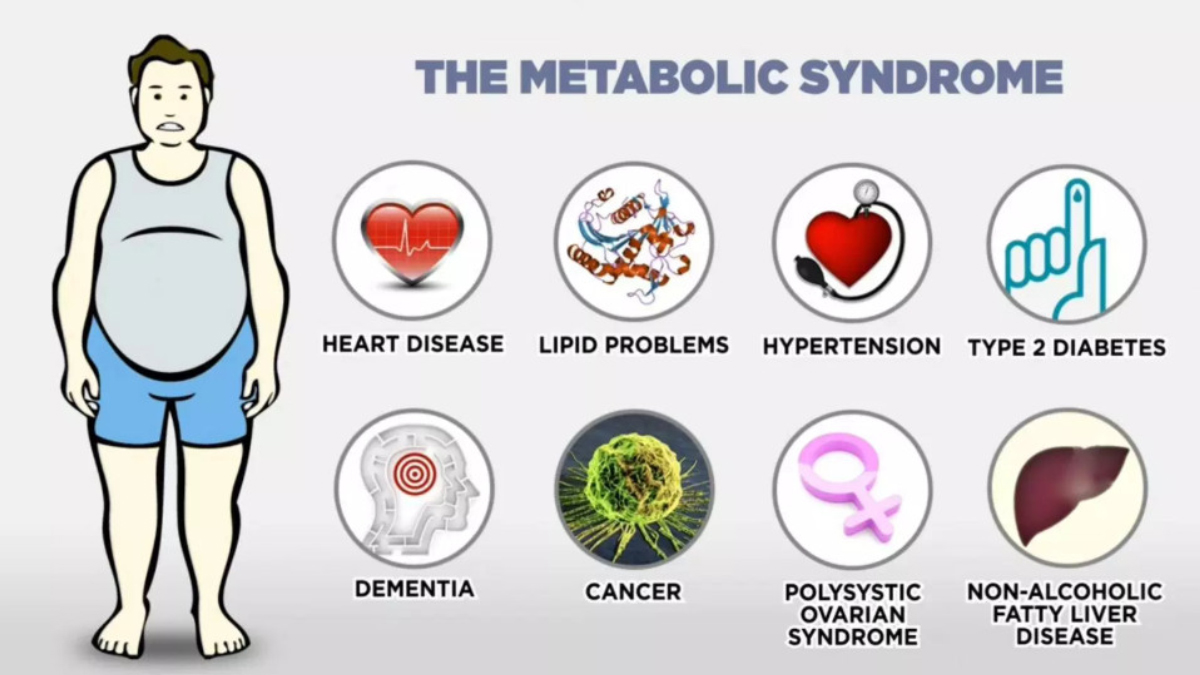
Metabolic disorders are a group of medical conditions that occur when the body’s normal process of converting food into energy is disrupted. The metabolism involves complex chemical reactions that regulate how carbohydrates, fats, and proteins are broken down and utilized by the body. When enzymes or hormones responsible for these processes are deficient, dysfunctional, or absent, it leads to an imbalance, resulting in a metabolic disorder. These conditions may be inherited (genetic) or acquired due to lifestyle factors, chronic illnesses, or organ dysfunction.
Metabolic disorders can affect people of all ages, from newborns to adults. Inherited metabolic disorders, also called inborn errors of metabolism, include conditions like phenylketonuria (PKU), glycogen storage diseases, and galactosemia. Acquired disorders may include diabetes mellitus, thyroid dysfunction, obesity-related metabolic syndrome, and disorders of lipid metabolism. Early recognition and management are essential to prevent complications such as growth delay, organ damage, or life-threatening crises.
Signs and Symptoms
The presentation of metabolic disorders can vary widely depending on the type and severity of the condition. Common signs and symptoms include:
- Poor growth or developmental delays in children
- Lethargy, weakness, or extreme fatigue
- Recurrent vomiting or poor feeding in infants
- Seizures or unexplained neurological symptoms
- Unusual body odor, breath, or urine smell (as in certain amino acid disorders)
- Jaundice, liver enlargement, or organ dysfunction
- Episodes of hypoglycemia (low blood sugar) or hyperglycemia (high blood sugar)
- Excessive thirst and frequent urination (notably in diabetes)
- Muscle cramps, spasms, or poor muscle tone
- Weight gain, obesity, or failure to thrive
- Skin changes such as darkened patches (acanthosis nigricans in insulin resistance)
Early diagnosis through newborn screening, blood and urine tests, or genetic testing is vital. With timely medical care, dietary modifications, and lifestyle management, many individuals with metabolic disorders can lead healthier lives and prevent long-term complications.
Services
- Diabetes Management
- Diabetes Counselling
- Diabetes Complications Treatment
- Diabetic Diet & Nutrition Management
- Gestational Diabetes
- Continuous Glucose Monitoring
- Infectious Diseases
- Obesity Management
- Thyroid Disorder
- Metabolic Disorders
- Hypertension
- Heart Diseases
- Neurological Disorders
- Respiratory Diseases
- Gastrointestinal Diseases