











Loading...
care.drchaitanya@gmail.com

About Doctor


Consultant Physician with special interest in diabetes & infectious disease | Dr. Chaitanya Kiranrao Kulkarni

MBBS, D.N.B. (General Medicine), MNAMS
Consultant Physician with special interest in diabetes & infectious disease
Dr. Chaitanya Kiranrao Consultant Physician with special interest in diabetes & infectious disease

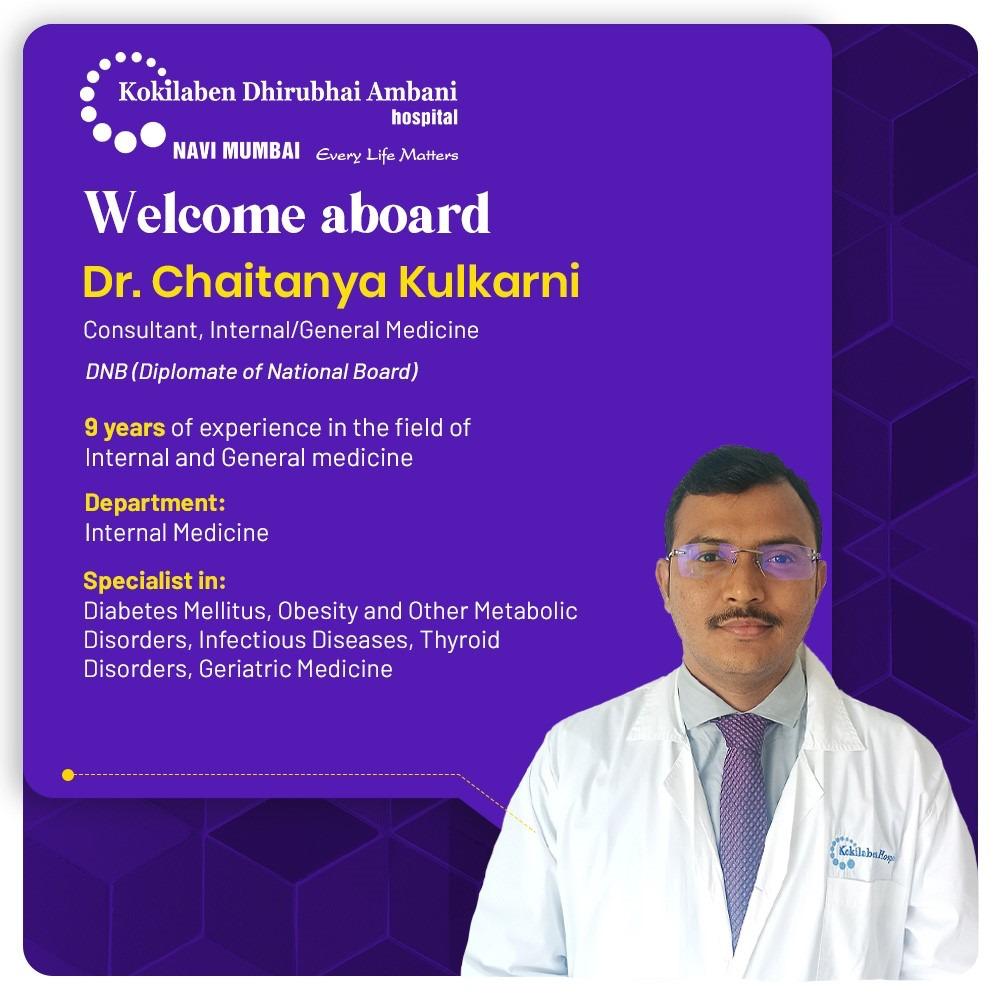
Dr. Chaitanya Kiranrao Kulkarni is a highly qualified and experienced Consultant Physician and Diabetologist with a strong academic foundation and diverse clinical expertise. He completed his MBBS from Maharashtra Institute of Medical Sciences and Research, Latur (MUHS, Nashik) in 2014, followed by DNB in General Medicine from the prestigious Rajarshi Chhatrapati Shahu Maharaj Government Medical College and CPR Hospital, Kolhapur. He has further specialized with a Distant Fellowship in Diabetes Management from Christian Medical College, Vellore and a Certificate Course in Diabetes from the Royal College of Physicians, London and BMJ.

Read More
Dr. Chaitanya Kiranrao Kulkarni
0
Visited patients
0
Diabetes Management
0
Heart Diseases
0
Neurological Disorders
0
Infectious Diseases
0
Thyroid Disorder

Our Services

  • Diabetes Management

    Diabetes Management

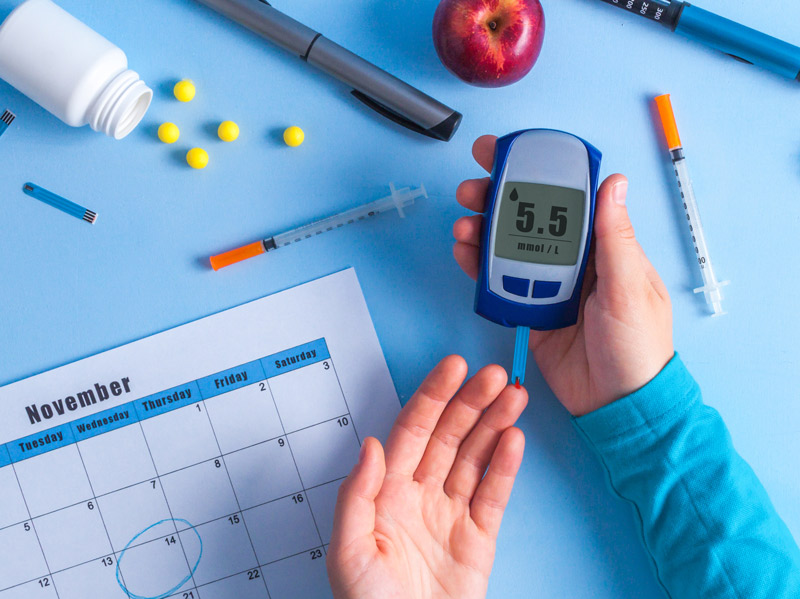
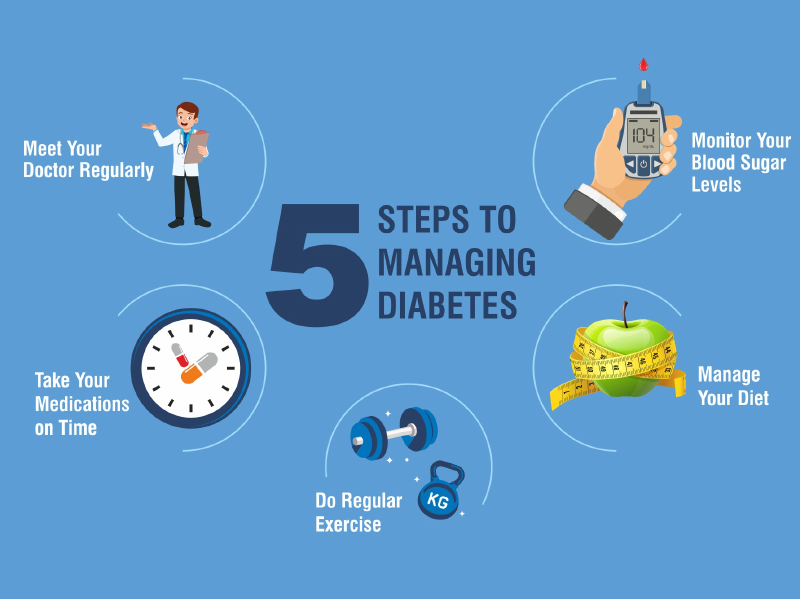
    Diabetes management focuses on controlling blood sugar levels through lifestyle changes, balanced diet, regular exercise, medications, and monitoring, helping prevent complications while promoting long-term health and overall well-being.

    Read More
  • Diabetes Counselling

    Diabetes Counselling

    Diabetes counselling provides guidance on lifestyle changes, nutrition, medication, and stress management, empowering patients to manage blood sugar effectively, prevent complications, and achieve better long-term health and quality of life.

    Read More
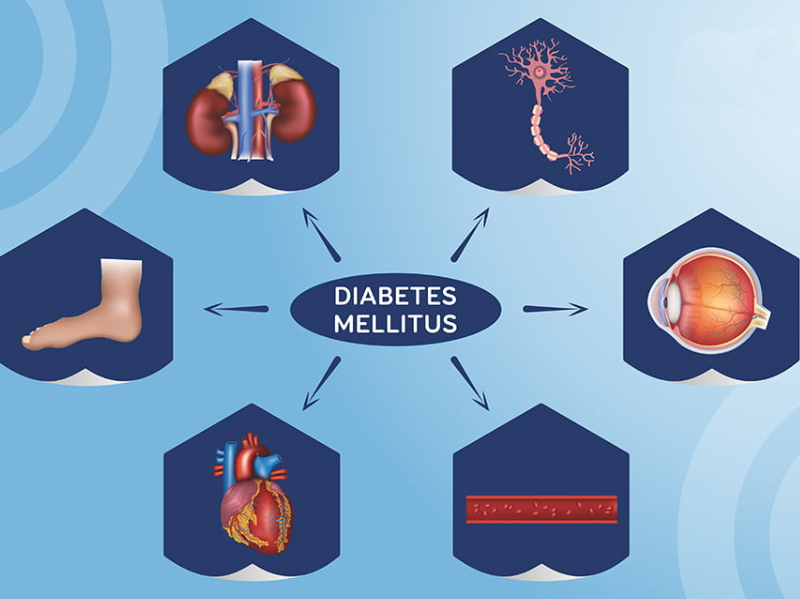
  • Diabetes Complications

    Diabetes Complications

    Diabetes complications treatment focuses on managing blood sugar, preventing organ damage, and addressing issues like neuropathy, kidney disease, heart problems, and vision loss through medications, lifestyle changes, and specialized medical care.

    Read More
  • Diabetic Diet & Nutrition Management

    Diabetic Diet & Nutrition Management

    Diabetic diet and nutrition management focuses on balanced meals, portion control, and healthy food choices to regulate blood sugar, improve energy levels, prevent complications, and promote overall well-being in diabetes care.

    Read More
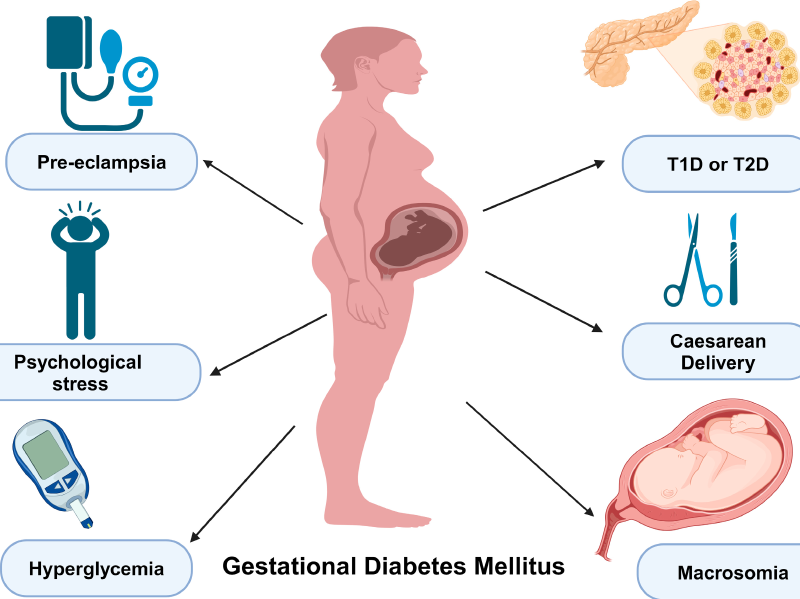
  • Gestational Diabetes

    Gestational Diabetes

    Gestational diabetes is a type of diabetes that develops during pregnancy, causing high blood sugar levels. It requires careful monitoring, healthy diet, exercise, and medical guidance to ensure mother and baby’s health.

    Read More
  • Continuous Glucose Monitoring

    Continuous Glucose Monitoring

    Continuous Glucose Monitoring (CGM) is an advanced system that tracks blood sugar levels in real time, offering insights, trends, and alerts to help manage diabetes effectively and improve overall health outcomes.

    Read More
  • Infectious Diseases

    Infectious Diseases

    Infectious diseases are illnesses caused by microscopic organisms, such as bacteria, viruses, fungi, and parasites, that multiply inside the body and can spread from person to person or through contaminated sources like food, water, or air.

    Read More
  • Obesity Management

    Obesity Management

    Obesity management focuses on healthy weight loss through personalized diet plans, regular exercise, lifestyle modifications, and medical guidance to reduce health risks, improve well-being, and promote long-term sustainable results.

    Read More
  • Thyroid Disorder

    Thyroid Disorder

    Thyroid disorders involve abnormal function of the thyroid gland, leading to conditions like hypothyroidism or hyperthyroidism, causing symptoms such as weight changes, fatigue, mood disturbances, and metabolic imbalance, requiring timely diagnosis and treatment.

    Read More
  • Metabollic Disorders

    Metabollic Disorders

    Metabolic disorders are conditions that disrupt normal chemical processes in the body, affecting energy production, growth, and development. They may be inherited or acquired, requiring timely diagnosis and proper management.

    Read More
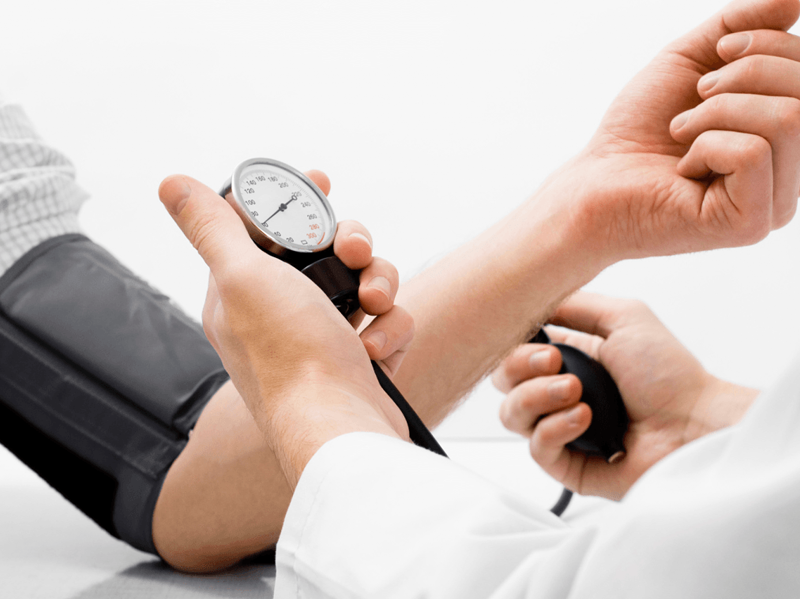
  • Hypertension

    Hypertension

    Hypertension is a chronic condition where blood pressure remains consistently high, increasing the risk of heart disease, stroke, kidney problems, and other complications. It often develops silently, requiring regular monitoring and management.

    Read More
  • Heart Diseases

    Heart Diseases

    Heart diseases include conditions affecting the heart’s structure and function, such as coronary artery disease, heart failure, and arrhythmias, often caused by lifestyle, genetics, or risk factors, requiring prevention, timely diagnosis, and treatment.

    Read More
  • Neurological Disorders

    Neurological Disorders

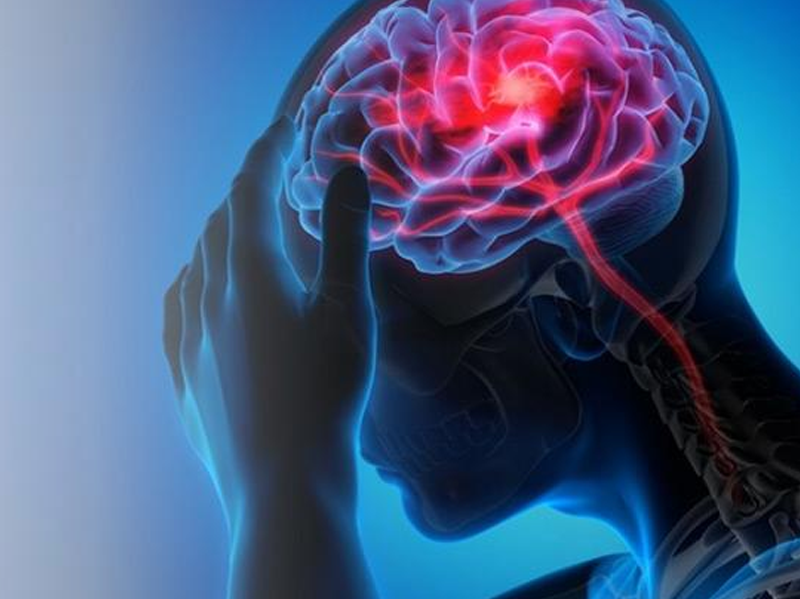
    Neurological disorders affect the brain, spinal cord, and nerves, causing symptoms like seizures, weakness, pain, or memory loss. They include conditions such as epilepsy, stroke, Parkinson’s disease, and require specialized diagnosis and treatment.

    Read More
  • Respiratory Diseases

    Respiratory Diseases

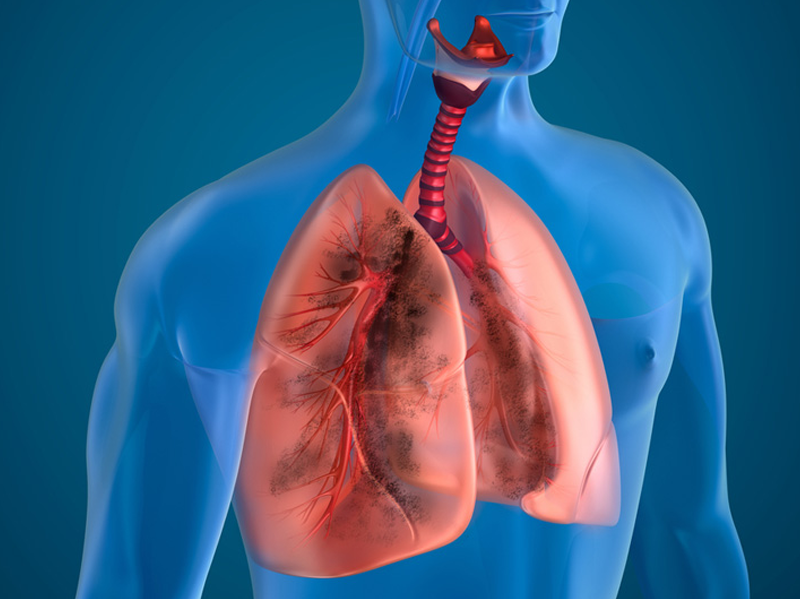
    Respiratory diseases affect the lungs and airways, causing breathing difficulties. Common conditions include asthma, COPD, pneumonia, and bronchitis. They arise from infections, allergies, or environmental factors, requiring timely care and preventive measures.

    Read More
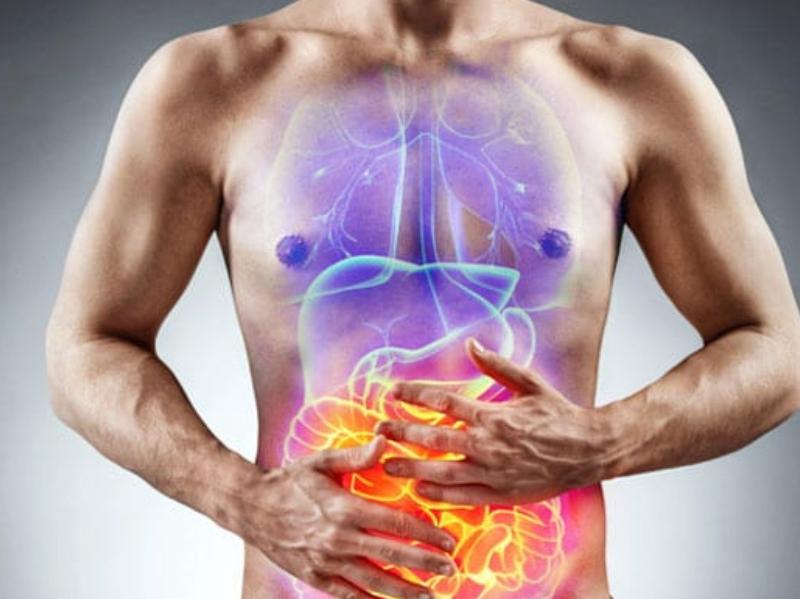
  • Gastrointestinal Diseases

    Gastrointestinal Diseases

    Gastrointestinal diseases affect the digestive tract, including stomach, intestines, liver, and pancreas, causing symptoms like pain, bloating, diarrhea, or constipation, requiring proper diagnosis, treatment, dietary management, and lifestyle modifications for relief.

    Read More

The patient's medical information given to a healthcare provider cannot be shared with others unless the patient gives permission to do so.

Signs of Diabetologist:

Dr. Chaitanya Kiranrao Kulkarni, Consultant Physician & Diabetologist at Kokilaben Dhirubhai Ambani Hospital, Navi Mumbai, has rich expertise in diagnosing and managing diabetes and its related complications. Diabetes is among the most prevalent lifestyle-related health conditions, often going unnoticed in the early stages. With timely detection, effective treatment, and personalized lifestyle guidance, Dr. Kulkarni helps patients control their blood sugar, prevent complications, and lead a healthier life.

  • Increased thirst and frequent urination
  • Unexplained weight loss despite normal or increased appetite
  • Excessive hunger even after eating
  • Fatigue, weakness, or lack of energy
  • Blurred or fluctuating vision
  • Slow healing of cuts, wounds, or infections
  • Frequent skin infections, boils, or urinary tract infections
  • Numbness, tingling, or burning sensation in hands and feet
  • Dry mouth and itchy skin
  • Irritability or mood changes
FAQ

Frequently Asked Questions (FAQs)

  • 1. What is diabetes?
    Diabetes is a long-term condition in which the body either does not produce enough insulin or cannot use insulin effectively, leading to high blood sugar levels.
  • 2. What are the common signs of diabetes?
    Increased thirst, frequent urination, unexplained weight loss, excessive hunger, fatigue, blurred vision, slow wound healing, and recurrent infections.
  • 3. Who is at risk of developing diabetes?
    People with a family history of diabetes, obesity, sedentary lifestyle, high blood pressure, high cholesterol, or women with a history of gestational diabetes are at higher risk.
  • 4. How is diabetes diagnosed?
    Through simple blood tests such as fasting blood sugar, HbA1c, or oral glucose tolerance test.
  • 5. Can diabetes be cured?
    Currently, there is no permanent cure for diabetes, but it can be effectively managed with lifestyle changes, medication, and regular monitoring.
  • 6. How is diabetes treated?
    Treatment includes diet modification, regular exercise, weight management, oral medications, and sometimes insulin therapy.
  • 7. What complications can diabetes cause?
    If uncontrolled, diabetes may affect the eyes, kidneys, nerves, heart, and blood vessels, leading to serious health issues.
  • 8. How often should I get tested for diabetes?
    Adults above 30 years, or younger individuals with risk factors, should get tested at least once a year.
  • 9. Can lifestyle changes prevent diabetes?
    Yes. Maintaining a healthy weight, eating a balanced diet, exercising regularly, avoiding smoking, and limiting alcohol can significantly reduce risk.
  • 7. How can I book an assessment?
    You can call or whatsapp us directly at 9372146545, fill out the online booking form on our website, or visit our center during working hours for an appointment.
Testimonial

Happy Patients

Contact Us

Message Us