
care.drchaitanya@gmail.com

- Call Now
- +91 9372146545
Services
Gastrointestinal Diseases
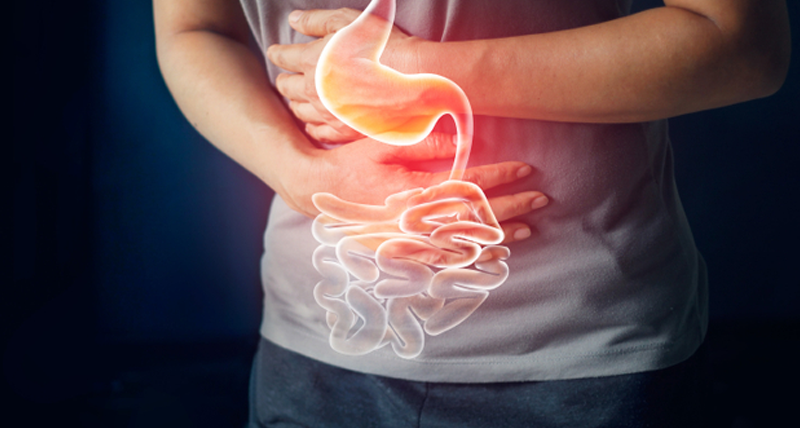
Gastrointestinal Diseases
Gastrointestinal (GI) diseases encompass a wide range of disorders affecting the digestive tract — from the esophagus, stomach, and intestines to accessory organs such as the liver, gallbladder, and pancreas. These conditions may be acute or chronic, mild or life-threatening, and they commonly present with a mix of local digestive complaints and systemic features. Early recognition, appropriate investigation, and timely management reduce complications and improve outcomes.
Symptoms
Symptoms vary with the affected organ and disease severity but commonly include:
- Abdominal pain or cramping (localized or diffuse)
- Bloating, visible distension, and excessive gas
- Nausea and vomiting
- Altered bowel habits — diarrhea, constipation, or alternating patterns
- Gastrointestinal bleeding — fresh blood or melaena
- Heartburn, regurgitation, or acid reflux
- Unintentional weight loss, anorexia, or malnutrition
- Jaundice, dark urine, pale stools, and itching (suggestive of hepatobiliary disease)
- Fever, night sweats, or systemic signs with infective or inflammatory conditions
Causes
GI diseases arise from diverse etiologies; often more than one factor contributes to symptoms. Major causes include:
- Infectious agents: bacteria (Salmonella, Campylobacter, H. pylori), viruses (norovirus, hepatitis viruses), and parasites.
- Inflammatory disorders: inflammatory bowel diseases such as Crohn’s disease and ulcerative colitis.
- Functional disorders: irritable bowel syndrome where structure is normal but function is disturbed.
- Structural problems: peptic ulcers, strictures, diverticulosis, polyps, and malignancies.
- Metabolic and hepatic causes: fatty liver, viral hepatitis, autoimmune hepatitis, and cholestatic diseases.
- Biliary and pancreatic diseases: gallstones, cholecystitis, pancreatitis, and pancreatic insufficiency.
- Medications, toxins, alcohol, ischemia, and autoimmune processes.
Treatment
Treatment is diagnosis-driven and may combine supportive care, targeted therapy, procedural interventions, and long-term prevention strategies:
- Initial care: fluid resuscitation, electrolyte correction, pain control, and nutritional support as needed.
- Targeted pharmacotherapy: antibiotics/antiparasitics or antivirals for infections; proton pump inhibitors or H2 blockers for acid-related disease; antispasmodics, laxatives, or antidiarrheals for symptom control.
- Disease-modifying agents: corticosteroids, immunosuppressants, and biologic therapies for inflammatory bowel disease.
- Endoscopic and surgical interventions: endoscopy for diagnosis and therapeutic procedures (polypectomy, haemostasis, dilation, ERCP), and surgery for complications or refractory disease.
- Management of hepatobiliary disease: antiviral therapy for viral hepatitis, cholecystectomy for symptomatic gallstones, and specialized care for liver failure.
- Lifestyle and preventive measures: safe food and water practices, immunization (hepatitis A and B where appropriate), alcohol moderation, smoking cessation, healthy diet, and regular exercise.
A structured diagnostic approach, multidisciplinary care, and patient education are key to effective management and prevention of recurrence or complications in gastrointestinal diseases.
Services
- Diabetes Management
- Diabetes Counselling
- Diabetes Complications Treatment
- Diabetic Diet & Nutrition Management
- Gestational Diabetes
- Continuous Glucose Monitoring
- Infectious Diseases
- Obesity Management
- Thyroid Disorder
- Metabolic Disorders
- Hypertension
- Heart Diseases
- Neurological Disorders
- Respiratory Diseases
- Gastrointestinal Diseases