
care.drchaitanya@gmail.com

- Call Now
- +91 9372146545
Services
Diabetic Diet & Nutrition Management
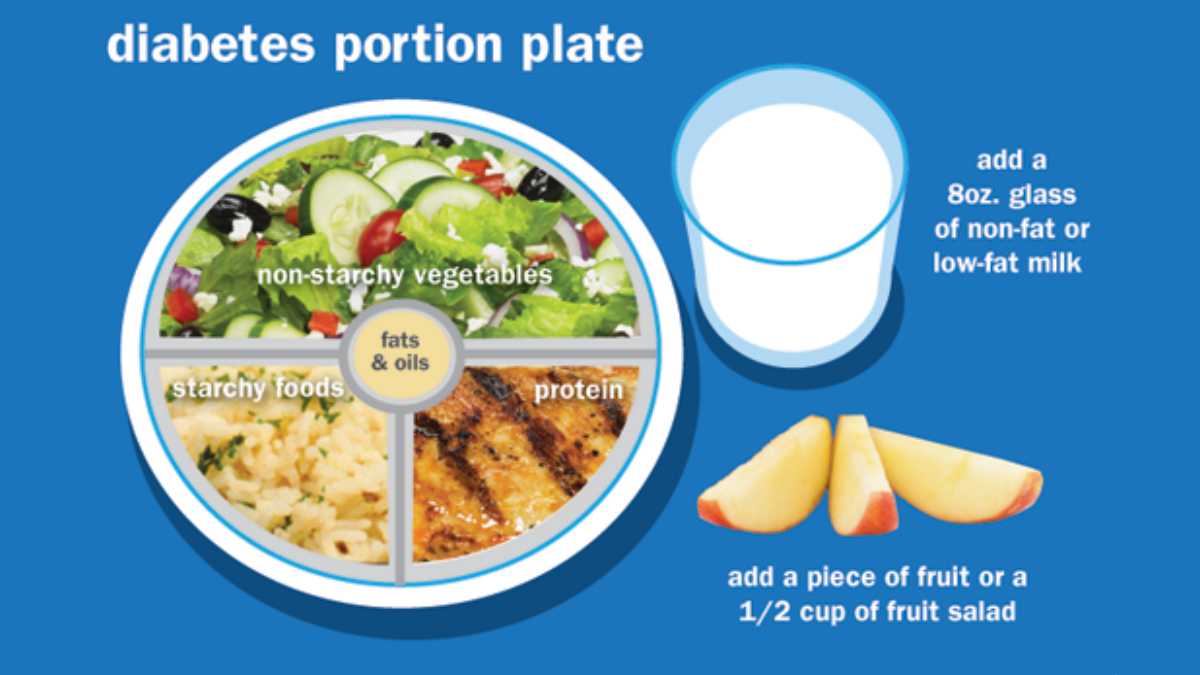
Diabetic Diet & Nutrition Management in Vashi, Navi Mumbai
Diabetes is a chronic condition that affects how the body processes blood sugar (glucose). Effective diet and nutrition management play a crucial role in controlling blood sugar levels, preventing complications, and maintaining overall health. A well-balanced diabetic diet focuses on controlling carbohydrate intake, choosing complex carbs with low glycemic index, increasing fiber, and incorporating lean proteins and healthy fats. Regular, portion-controlled meals spaced evenly throughout the day help maintain stable glucose levels.
Signs and Symptoms:
Signs and Symptoms of Diabetes include excessive thirst (polydipsia), frequent urination (polyuria), unexplained weight loss, increased hunger, fatigue, blurred vision, slow-healing wounds, recurrent infections, numbness or tingling in hands and feet, and dry skin. Recognizing these symptoms early is essential for timely intervention and dietary adjustments.
Nutrition Management for diabetes emphasizes:
- Incorporating whole grains, legumes, fresh fruits, and vegetables.
- Limiting refined sugars, processed foods, and trans fats.
- Choosing healthy cooking methods such as steaming, baking, or grilling.
- Including foods rich in omega-3 fatty acids for heart protection.
- Maintaining adequate hydration and avoiding sugary drinks.
Meal planning, carbohydrate counting, and monitoring blood sugar are vital components of nutrition therapy. Personalized diet charts, based on age, weight, lifestyle, and associated medical conditions, ensure better results.
Along with diet, regular physical activity, stress management, and proper medication adherence form the foundation of diabetes management. With the right nutritional approach, people with diabetes can lead healthier, more active, and complication-free lives.
Services
- Diabetes Management
- Diabetes Counselling
- Diabetes Complications Treatment
- Diabetic Diet & Nutrition Management
- Gestational Diabetes
- Continuous Glucose Monitoring
- Infectious Diseases
- Obesity Management
- Thyroid Disorder
- Metabolic Disorders
- Hypertension
- Heart Diseases
- Neurological Disorders
- Respiratory Diseases
- Gastrointestinal Diseases