
care.drchaitanya@gmail.com

- Call Now
- +91 9372146545
Services
Obesity Management
Obesity Management
Obesity is a complex, chronic health condition characterized by excessive body fat that negatively impacts overall health. It occurs when calorie intake consistently exceeds energy expenditure, leading to weight gain. Obesity is not just a cosmetic concern but a medical issue that increases the risk of serious health problems such as type 2 diabetes, hypertension, heart disease, stroke, certain cancers, joint problems, sleep apnea, and reduced quality of life.
Signs and Symptoms of Obesity
Obesity can be identified through physical, metabolic, and lifestyle-related symptoms. Common signs include:
- Excessive body weight with a Body Mass Index (BMI) of 30 or higher.
- Increased waist circumference, indicating abdominal or central obesity.
- Shortness of breath during mild exertion or daily activities.
- Excessive sweating and heat intolerance.
- Chronic fatigue and low energy levels.
- Joint pain, especially in weight-bearing joints such as knees, hips, and lower back.
- Snoring or sleep disturbances, often due to obstructive sleep apnea.
- Skin problems, such as acanthosis nigricans (dark, velvety patches on the skin) and recurrent infections in skin folds.
- Low self-esteem, depression, and social stigma related to body image.
Management of Obesity
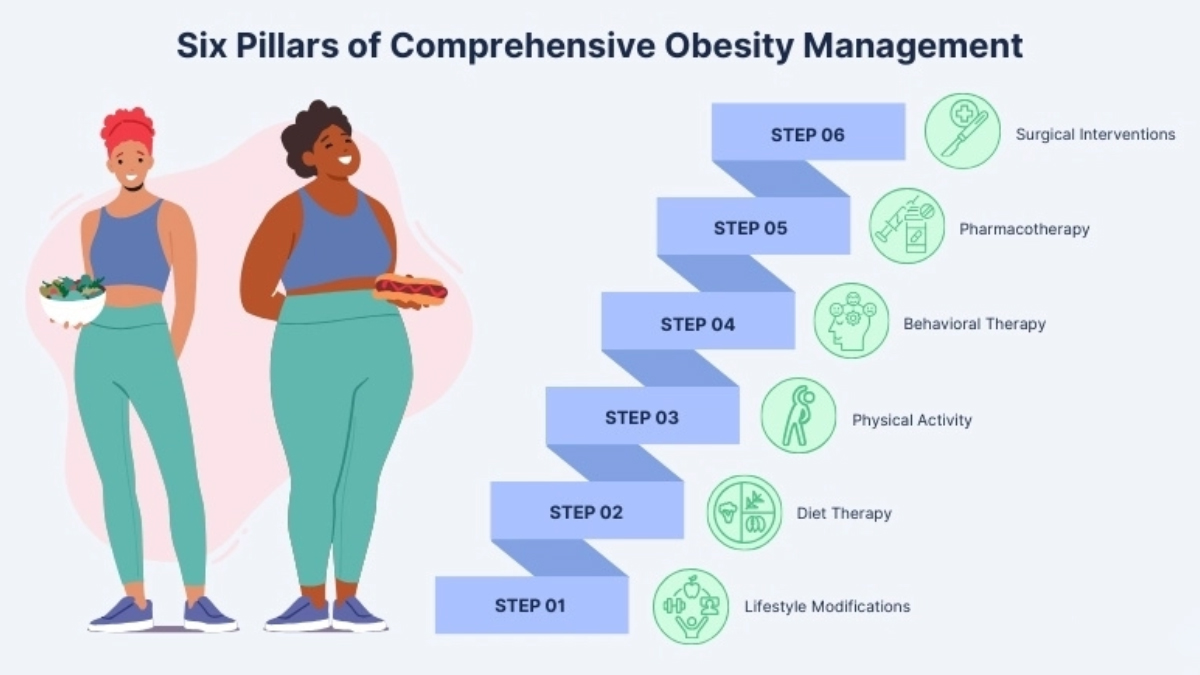
Effective obesity management involves a comprehensive, multidisciplinary approach. The first step is lifestyle modification, including a balanced, calorie-controlled diet, portion control, and increased consumption of fruits, vegetables, lean proteins, and whole grains. Regular physical activity such as aerobic exercises, strength training, or even daily walking plays a vital role in weight reduction and long-term maintenance.
Behavioral counseling helps address emotional eating and promotes healthier habits. In some cases, medications may be prescribed to support weight loss. For individuals with severe obesity or obesity-related complications, bariatric surgery may be considered.
Ultimately, obesity management focuses on sustainable lifestyle changes, prevention of complications, and improving both physical and emotional well-being.
Services
- Diabetes Management
- Diabetes Counselling
- Diabetes Complications Treatment
- Diabetic Diet & Nutrition Management
- Gestational Diabetes
- Continuous Glucose Monitoring
- Infectious Diseases
- Obesity Management
- Thyroid Disorder
- Metabolic Disorders
- Hypertension
- Heart Diseases
- Neurological Disorders
- Respiratory Diseases
- Gastrointestinal Diseases