
care.drchaitanya@gmail.com

- Call Now
- +91 9372146545
Services
Heart Diseases
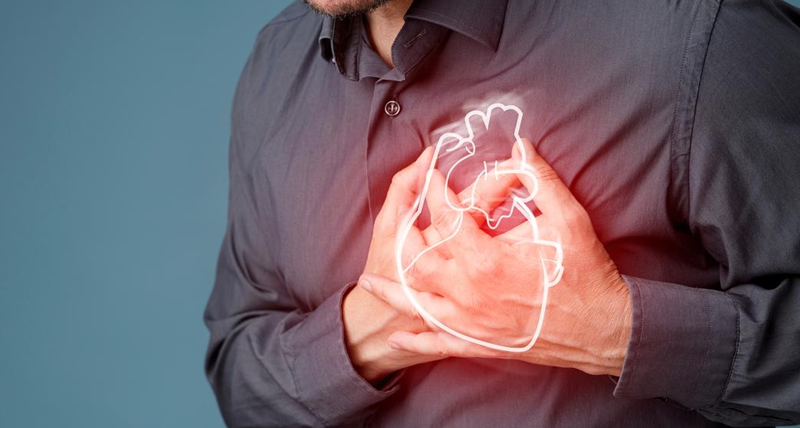
Heart Diseases — Myocardial Infarction & Ischaemic Heart Disease
Heart disease remains a leading cause of morbidity and mortality worldwide. Two closely related conditions are Myocardial Infarction (MI), commonly called a heart attack, and Ischaemic Heart Disease (IHD), often referred to as coronary artery disease. Both result from inadequate blood flow to the heart muscle, most frequently due to atherosclerotic narrowing of coronary arteries. Prompt recognition of symptoms, rapid emergency care for MI, long-term medical management, and sustained lifestyle changes for IHD are essential to reduce complications and improve outcomes.
Myocardial Infarction (Heart Attack)
Myocardial Infarction occurs when a coronary artery is suddenly and completely blocked, usually by a blood clot that forms over a ruptured atherosclerotic plaque. This abrupt loss of blood supply causes ischemia and irreversible damage to the heart muscle if not rapidly restored. MI is a medical emergency requiring immediate evaluation and treatment to limit heart damage and preserve function.
- Symptoms: Severe, crushing central chest pain or pressure often radiating to the left arm, neck, jaw, or back; profuse sweating; shortness of breath; nausea or vomiting; lightheadedness or collapse; feeling of intense anxiety or impending doom.
- Causes & Risk Factors: Atherosclerosis with plaque rupture and thrombosis; major risk factors include advancing age, male sex, smoking, hypertension, diabetes, high LDL cholesterol, obesity, sedentary lifestyle, and a positive family history.
- Treatment (acute and long-term): Immediate management includes calling emergency services, aspirin, oxygen if hypoxic, nitroglycerin and pain relief as appropriate, and rapid reperfusion by percutaneous coronary intervention (angioplasty ± stent) or thrombolysis when PCI is unavailable. Post-MI care includes antiplatelet agents, statins, beta-blockers, ACE inhibitors/ARBs, cardiac rehabilitation, and aggressive risk-factor modification.
Ischaemic Heart Disease (IHD)
Ischaemic Heart Disease is a chronic condition caused by progressive narrowing of coronary arteries, reducing blood flow especially during exertion. Patients may present with stable angina, exertional breathlessness, or silent ischemia. Long-term goals are to control symptoms, prevent progression, and reduce the risk of myocardial infarction and heart failure.
- Symptoms: Predictable chest discomfort or tightness with exertion (angina), shortness of breath on activity, fatigue, reduced exercise tolerance; atypical symptoms are common in women, elderly, and diabetic patients.
- Causes & Risk Factors: Chronic atherosclerosis driven by the same risk factors as MI — smoking, hypertension, dyslipidemia, diabetes, obesity, sedentary lifestyle, poor diet, and family history.
- Treatment: Medical management includes antianginal therapy (nitrates, beta-blockers, calcium channel blockers), antiplatelet agents, statins, and risk-factor control. Revascularization by PCI or coronary artery bypass grafting is considered for refractory symptoms or significant anatomical disease. Lifestyle modification and cardiac rehabilitation are cornerstone interventions.
Services
- Diabetes Management
- Diabetes Counselling
- Diabetes Complications Treatment
- Diabetic Diet & Nutrition Management
- Gestational Diabetes
- Continuous Glucose Monitoring
- Infectious Diseases
- Obesity Management
- Thyroid Disorder
- Metabolic Disorders
- Hypertension
- Heart Diseases
- Neurological Disorders
- Respiratory Diseases
- Gastrointestinal Diseases