
care.drchaitanya@gmail.com

- Call Now
- +91 9372146545
Services
Neurological Disorders
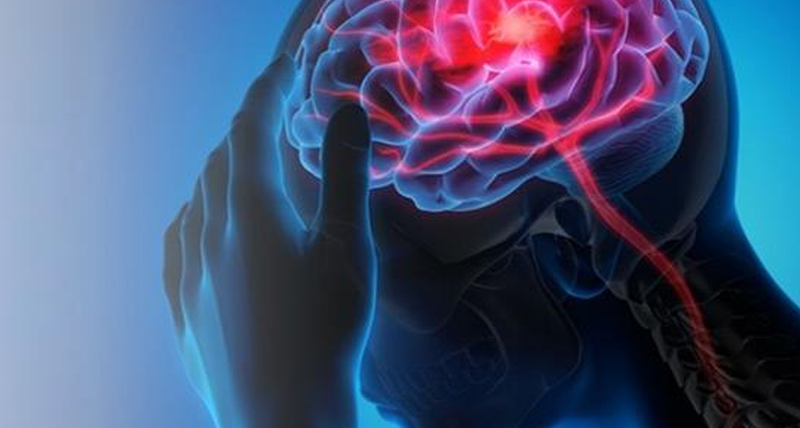
Neurological Disorders — Epilepsy, Parkinson’s Disease, Paralysis
Neurological disorders are conditions that affect the brain, spinal cord, and nerves, leading to impaired function of movement, sensation, or cognition. Among the common disorders are Epilepsy, Parkinson’s Disease, and Paralysis, each with distinct causes, symptoms, and treatments.
Epilepsy
Epilepsy is a chronic neurological condition characterized by recurrent, unprovoked seizures due to abnormal electrical activity in the brain. Seizures may vary from brief lapses of attention to severe convulsions.
- Symptoms: Sudden jerking movements, loss of consciousness, staring spells, confusion, and unusual sensations.
- Causes: Genetic factors, brain injury, stroke, infections, developmental disorders, or unknown reasons.
- Treatment: Long-term use of antiepileptic medications, lifestyle management, avoiding seizure triggers, and in some cases, surgery or nerve stimulation.
Parkinson’s Disease
Parkinson’s Disease is a progressive neurological disorder caused by the degeneration of dopamine-producing cells in the brain, leading to motor and non-motor symptoms. It commonly affects older adults but can occur earlier.
- Symptoms: Tremors at rest, stiffness, slow movements (bradykinesia), balance problems, speech difficulties, depression, and sleep disturbances.
- Causes: Loss of dopamine-producing neurons, genetic mutations, environmental toxins, and aging.
- Treatment: Medications such as Levodopa and dopamine agonists, physiotherapy, occupational therapy, deep brain stimulation surgery, and supportive care to manage symptoms.
Paralysis
Paralysis is the loss of muscle function in part of the body, occurring when communication between the brain and muscles is disrupted. It can be partial or complete, temporary or permanent.
- Symptoms: Inability to move affected body parts, loss of sensation, muscle weakness, and difficulties with speech or swallowing in some cases.
- Causes: Stroke, spinal cord injury, traumatic brain injury, multiple sclerosis, or neurological infections.
- Treatment: Management depends on the cause and may include emergency care for stroke, physiotherapy, rehabilitation, medications to improve nerve function, and assistive devices for mobility.
In conclusion, neurological disorders such as Epilepsy, Parkinson’s Disease, and Paralysis significantly affect quality of life. Early diagnosis, effective treatment, and rehabilitation play a vital role in improving outcomes and supporting patient independence.
Services
- Diabetes Management
- Diabetes Counselling
- Diabetes Complications Treatment
- Diabetic Diet & Nutrition Management
- Gestational Diabetes
- Continuous Glucose Monitoring
- Infectious Diseases
- Obesity Management
- Thyroid Disorder
- Metabolic Disorders
- Hypertension
- Heart Diseases
- Neurological Disorders
- Respiratory Diseases
- Gastrointestinal Diseases